

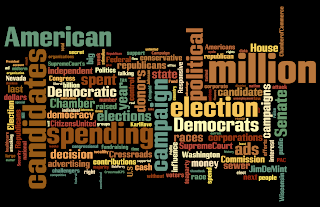
The 2010 election campaign is drawing to an end with money playing a greater role than ever. The January 21, 2010 US Supreme Court decision in Citizens United v. FEC opened the way for more campaign spending on TV commercials by corporations and labor union. The Center for Responsive Politices predicts that by Election Day on November 2, this year’s midterm elections for the House, Senate, and state governors will have cost nearly $4 billion. The Public Campaign Action Fund estimates that combined House and Senate candidate fundraising and spending will near $2 billion, an average of more than $4 million for each of the approximate 470 open seats. This Wordle visual map of campaign cash used words from 10 articles by Media Consortium members on the topic published from October 25-29.
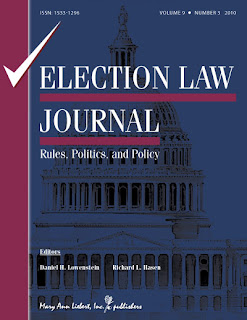 Whether the voting public has learned any lessons from all this spending is questionable as this year’s campaign has been more entertainment than education. In its collection, the Brooklyn Law School Library has the latest issue of the Election Law Journal, Vol. 9, No. 3 (2010) (Call #K5 .L33) with Should Election Campaigns Be Deliberative? by Joseph Bessette.
 The article is a book review of What are Campaigns For? The Role of Persuasion in Electoral Law and Politics by James A. Gardner (Call #JK2281.G37 2009) in which the author states that campaigns do not shape public opinion but instead measure it and that election campaigns are “inadequate, undignified, and beneath not only our aspirations but also our capacity as a democratic people seeking to shape our own collective destiny in the world.” The book is an historical account of public participation in the electoral process in the US. The history dates from the early 18th Century when people were “incompetent to evaluate either public policy or the job performance of hierarchically superior government officials” to the Progressive Era of reform from the 1890s to the 1920 when candidates campaigned openly for office and sought to persuade voters of the wisdom of their principles and policies.
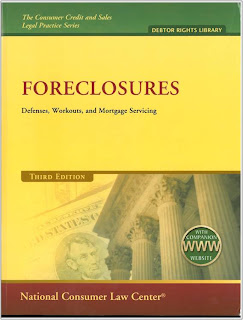 The Brooklyn Law School Library has in its collection the recently published third edition of the National Consumer Law Center’s
  The Brooklyn Law School Library has in its collection several items on the subject of Hispanic Americans the most recent of which is
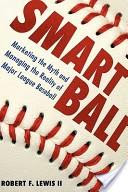 The Yankees, Rangers, Phillies, and Giants will soon face off in the League Championship Series to determine which team will be the 2010 World Series Champions. It is timely to review items in the Brooklyn Law School Library collection on the subject of baseball. The most recent acquisition,
 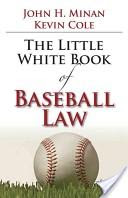 Another item in the BLS Library collection is
In time for Halloween, the first floor library display case has a number of books from the library collection on the Salem Witch Trials and earlier trials of witches in England. Brooklyn Law School Associate Librarian Linda Holmes has included these items:
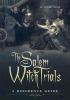 The Salem Witch Trials: A Reference Guide by K. David Goss (Call #KFM2478.8.W5 G67 2008), interpretations of the trials from the earliest historians to late 20th century analysis with relevant and instructive black-and-white photos and illustrations. Fifty court-related primary documents, selectively detailed biographies of key trial figures, an annotated bibliography of primary and secondary sources.
Commenting on blog posts requires an account.
Login is required to interact with this comment. Please and try again.
If you do not have an account, Register Now.